
Better Sleep
In a systematic review of 21 studies with 3,625 participants, digital detox interventions showed mixed but promising effects on well-being and sleep-related outcomes.
No willpower required. Anchorlox builds the habit through physical movement.
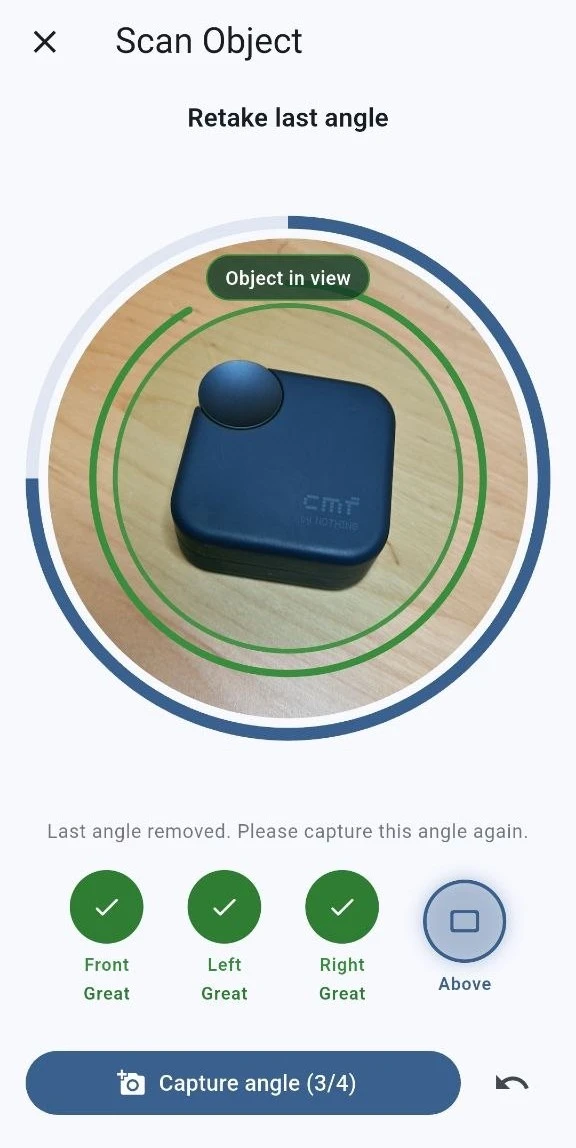
Initialize your session by scanning a physical object—like your headphones. Anchorlox uses on-device AI to create a local, private fingerprint of your reset point.
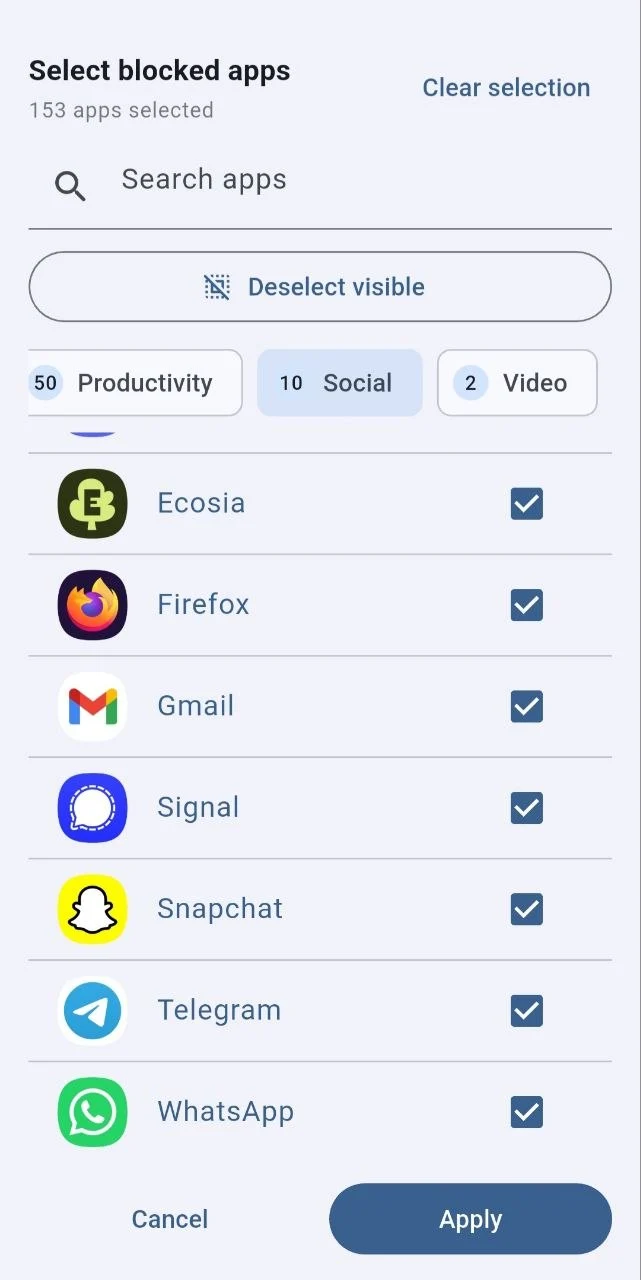
Define your boundaries by selecting which apps should be restricted. Whether it's social media or news, you decide what stays outside your focus zone.
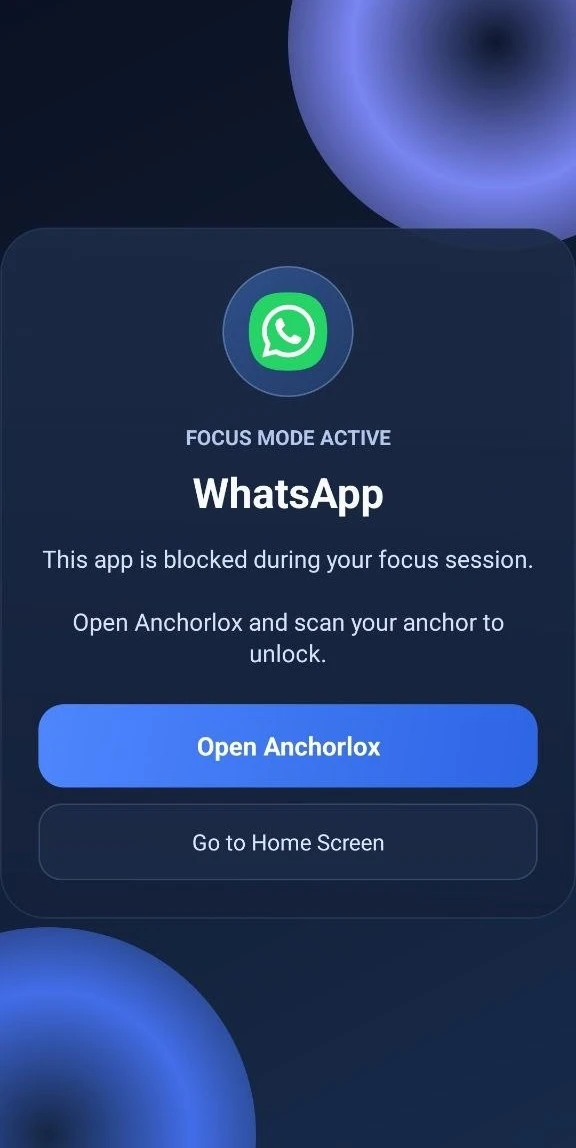
Commit to your work by scanning the anchor again. This second scan arms the system and immediately activates the lock. Your digital distractions are now physically out of reach.
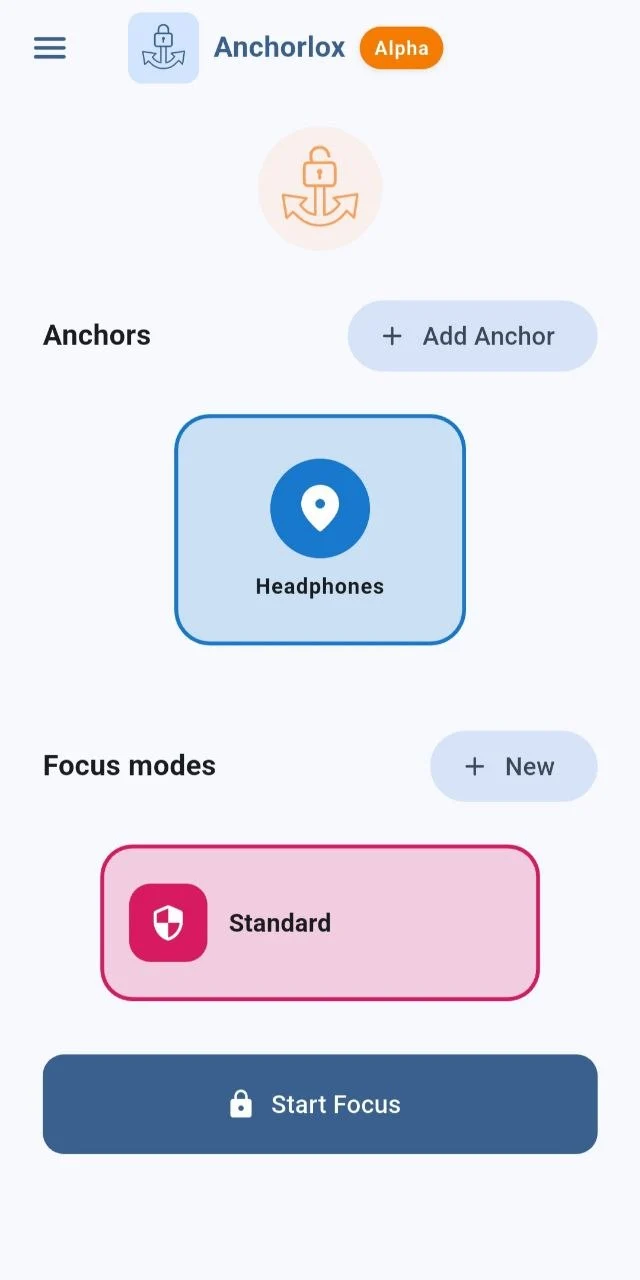
To exit the session, you must return to your physical anchor for a final verification scan. This movement breaks the digital tunnel vision and ensures your break is an actual reset.
Anchorlox is currently in Early Access for Android. The app uses on-device AI to recognize your physical anchor objects — no uploads, full privacy. iOS support is coming soon.


Anchorlox combines behavioral psychology with on-device AI to create a focus tool that actually works.
All image recognition runs locally on your device. Your photos never leave your phone — zero uploads, full privacy.
Uses Android Accessibility Services to keep you away from distractions. iOS support follows soon.
Every core feature works completely offline. Your focus data stays on your device by default.
Forces you to get up and walk to your anchor object. Every unlock becomes a micro-break that resets your body and mind.
Visual insights into your focus patterns, streaks, and productivity trends.
Quick access to your focus session. See live session time or today's total focus duration at a glance.
Selected findings that show how digital habits affect sleep, focus and stress — and where small behaviour changes can make a difference.
In a systematic review of 21 studies with 3,625 participants, digital detox interventions showed mixed but promising effects on well-being and sleep-related outcomes.
A 24-hour smartphone abstinence study found no change in mood or anxiety, but it did show a strong spike in craving, suggesting how much phones can interrupt focus and self-control.
In one intervention, participants reduced social media use to 10 minutes per day for 3 weeks, and the experimental group reported a significantly larger drop in stress than the control group.
Enter your email to join the closed tester group. We will add you to the list and reach out with next steps.
You can withdraw consent at any time via the privacy contact listed in our policy.
Everything you need to know about Anchorlox.
More questions? Email us at contact@anchorlox.com